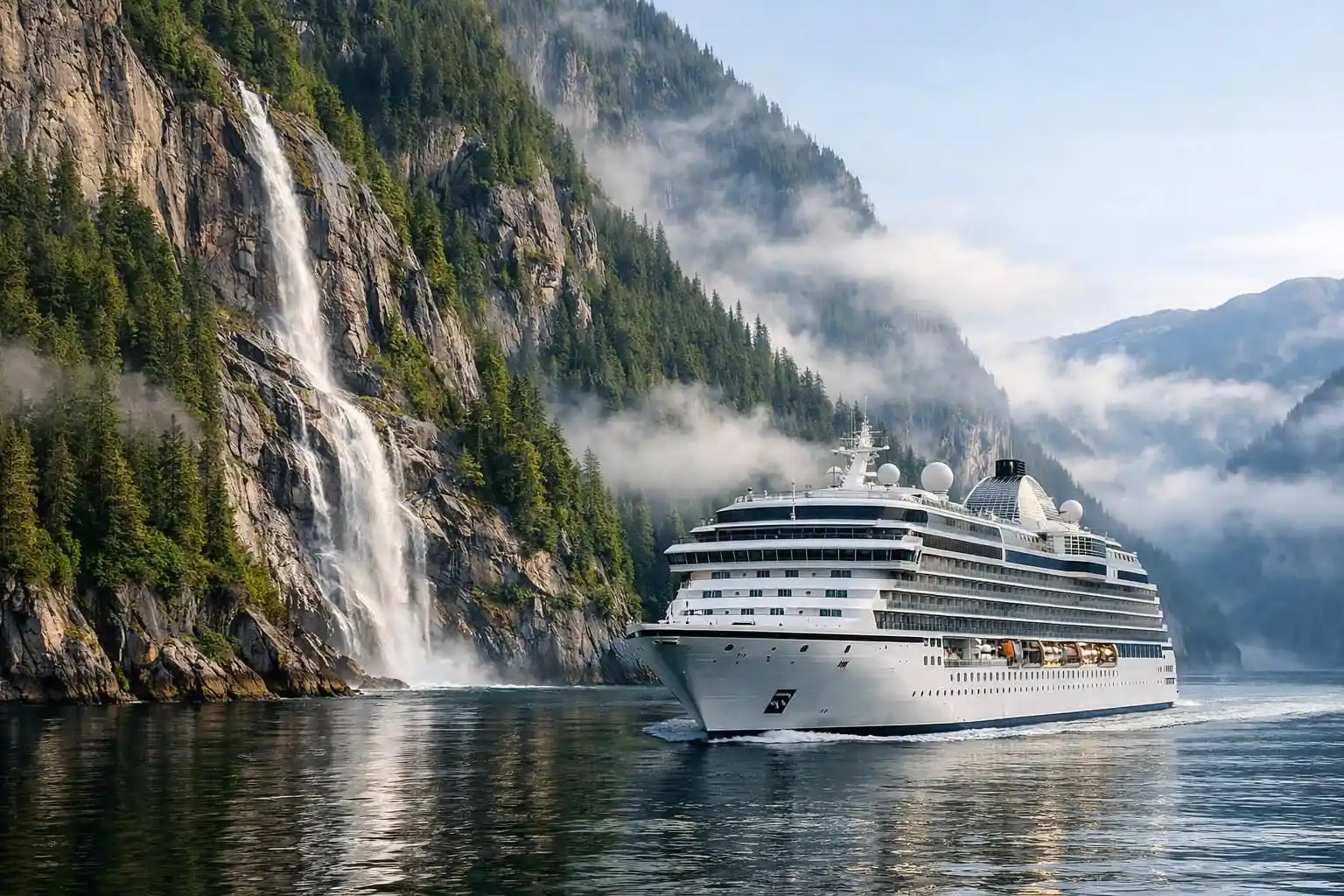
A sheltered network of fjords, islands, and glacier‑carved waterways. Home to Juneau, Ketchikan, Sitka, and Skagway — offering calm seas, rich wildlife, and dramatic scenery.
Learn more about the Inside Passage ➜A land of towering glaciers, misty fjords, rugged mountains, and wildlife-rich coastlines — Alaska offers one of the most dramatic and awe‑inspiring cruise experiences anywhere in the world.
Alaska is not a single landscape — it is a vast wilderness of icy waterways, remote communities, and breathtaking natural wonders. From the glacier‑carved passages of the Inside Passage to the storm‑shaped cliffs of the Gulf of Alaska, from the Arctic tundra to the volcanic Aleutian chain, Alaska delivers a rare blend of adventure, serenity, and raw natural power. Cruising here feels like entering a world shaped by ice, ocean, and time — where every port reveals a new frontier.
What makes Alaska unique is the combination of glacier encounters, wildlife viewing, and remote coastal exploration. Few cruise regions offer the chance to watch humpback whales breach at sunset, sail past towering blue ice walls, witness bald eagles soaring overhead, and visit communities accessible only by sea — all within a single itinerary.
Whether you’re drawn to the peaceful fjords of the Inside Passage, the dramatic glaciers of Glacier Bay and Hubbard Glacier, or the untamed wilderness stretching toward the Arctic, this region offers something for every traveller — from nature lovers to adventure seekers.
Alaska is a vast wilderness of glaciers, fjords, mountains, and remote coastal communities. Explore its four distinct cruise regions below.
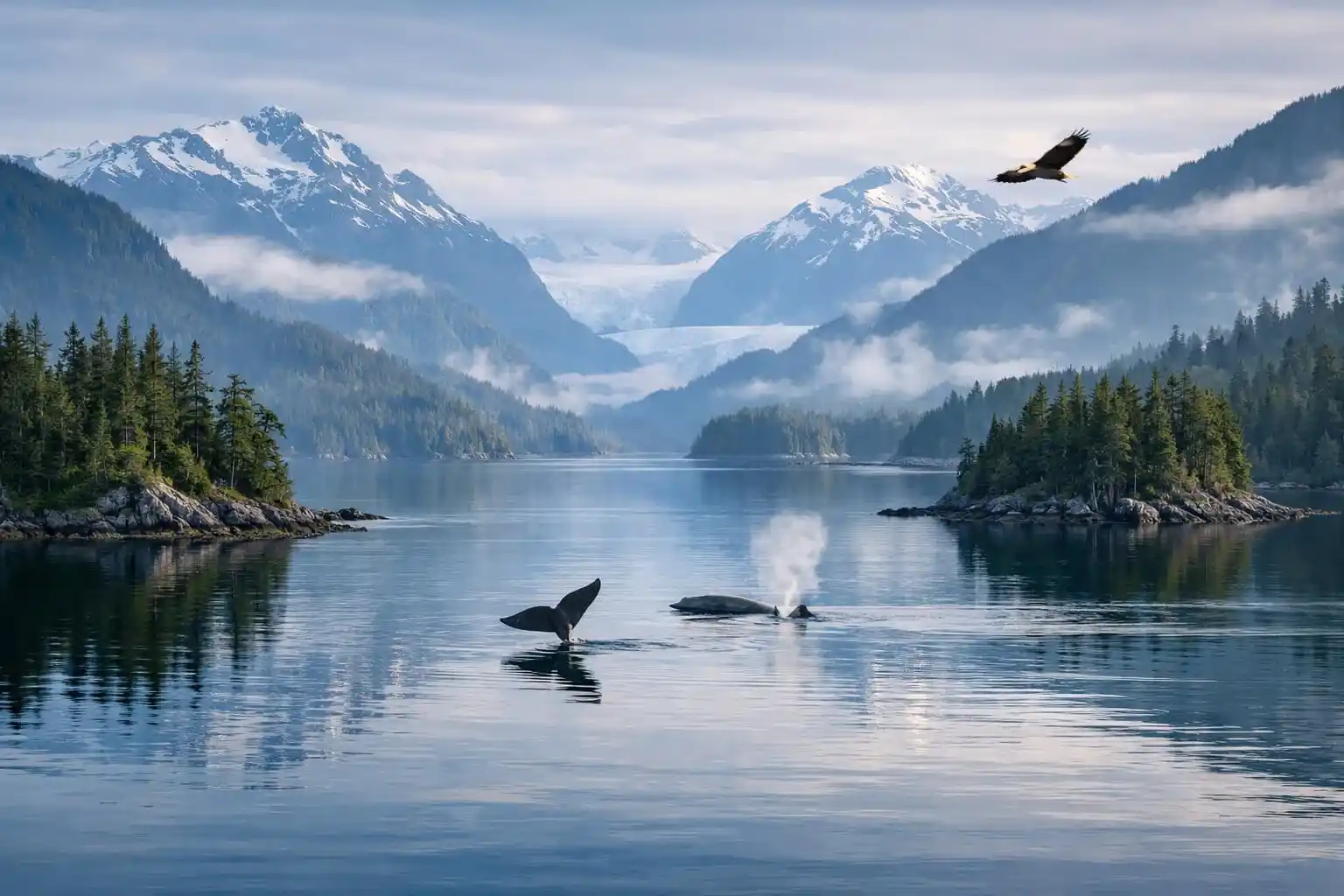
A sheltered maze of fjords, islands, and glacier‑carved waterways. Home to Juneau, Ketchikan, Skagway, and breathtaking wildlife including humpback whales and bald eagles.
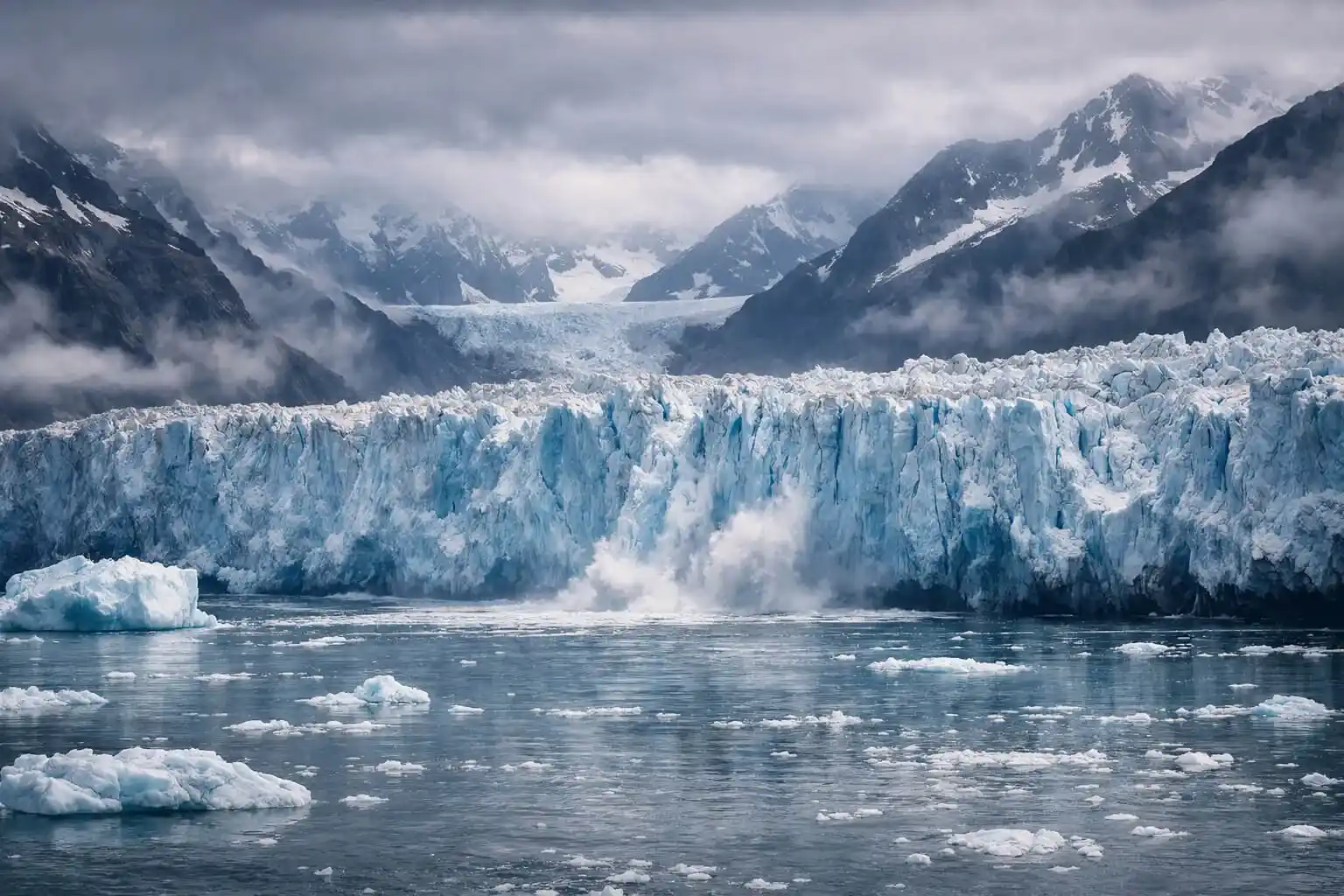
Known for dramatic open‑ocean cruising, towering glaciers, and rugged coastal mountains. Includes Glacier Bay, Hubbard Glacier, and College Fjord — some of Alaska’s most iconic sights.
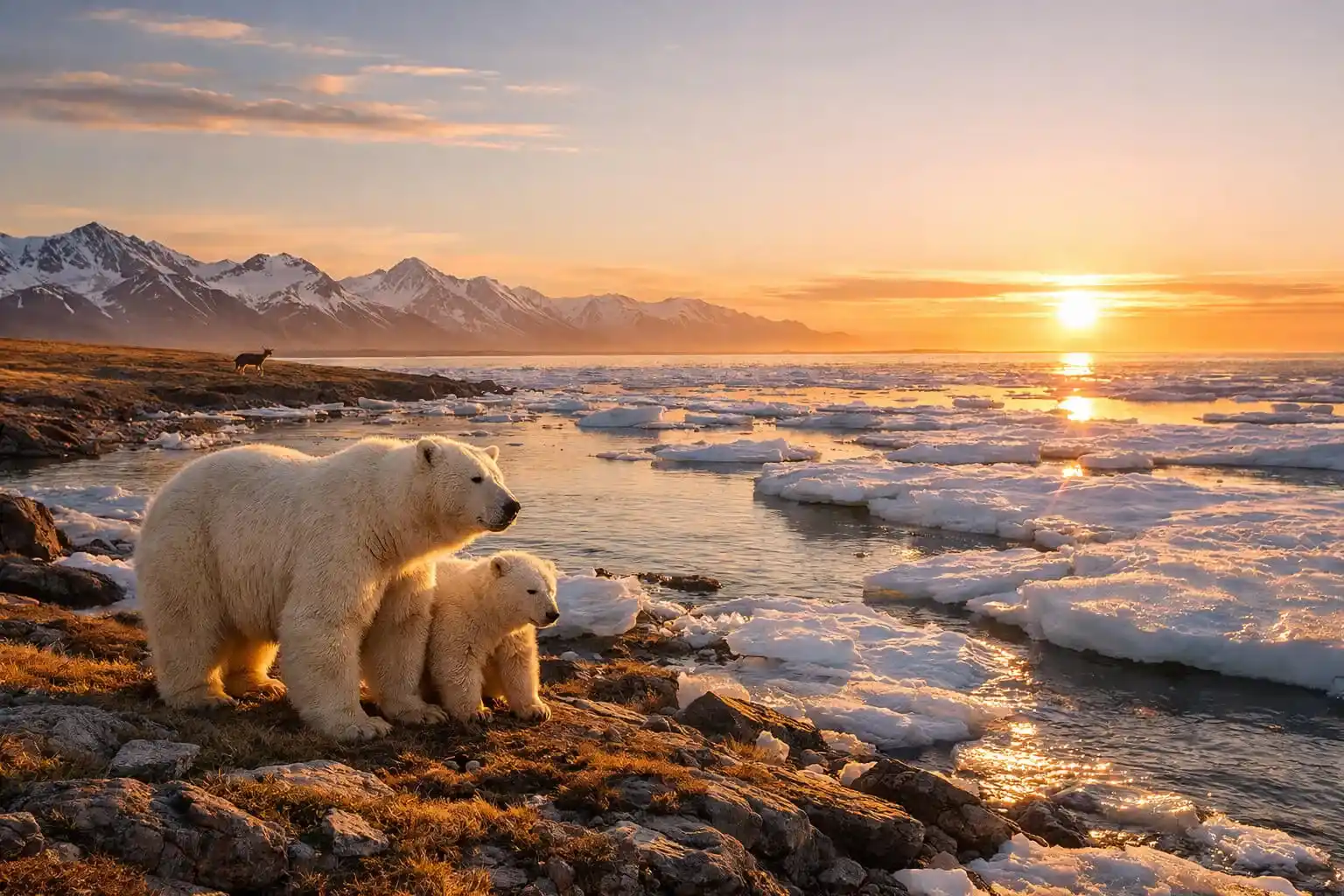
Remote, wild, and shaped by tundra and sea ice. Explore Nome, the Bering Strait, and the far‑north landscapes where polar bears roam and the midnight sun shines in summer.
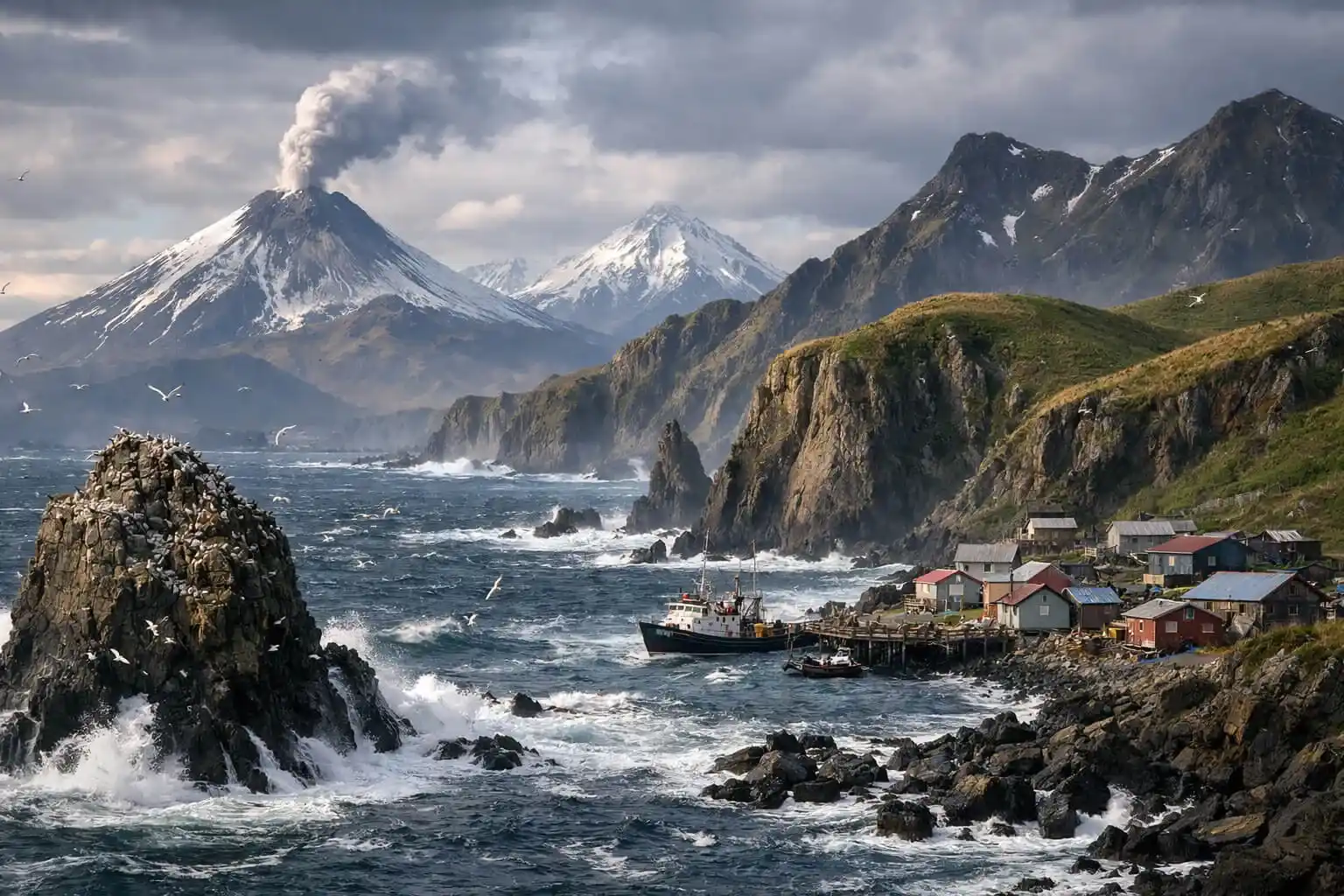
A volcanic island chain stretching deep into the Pacific. Expect dramatic coastlines, seabird colonies, remote fishing towns, and a raw, untamed atmosphere found nowhere else.
Alaska’s cruise regions span fjords, glaciers, remote communities, and wildlife‑rich coastlines. Below is a complete breakdown of the major areas within each sub‑region, helping you understand the geography behind Alaska’s cruise experiences.
A sheltered network of fjords, islands, and glacier‑carved waterways. Known for calm seas, wildlife viewing, and historic coastal towns.
Cruise relevance: Juneau, Ketchikan, Skagway, Sitka, Tracy Arm
Defined by open‑ocean cruising, towering glaciers, and rugged coastal mountains. Home to some of Alaska’s most iconic glacier experiences.
Cruise relevance: Glacier Bay, Hubbard Glacier, College Fjord, Seward, Whittier
Remote, wild, and shaped by tundra and sea ice. A region of extreme landscapes, Indigenous cultures, and far‑north exploration.
Cruise relevance: Nome, Bering Strait, Arctic coastal routes
A volcanic island chain stretching deep into the Pacific. Known for dramatic coastlines, seabird colonies, and remote fishing communities.
Cruise relevance: Dutch Harbor, Akutan, Adak, Aleutian coastal routes
Alaska’s cruise season is shaped by weather, wildlife activity, and sea conditions. This section provides a complete, factual overview of when to sail, why certain months are better, and how each sub‑region behaves across the year.
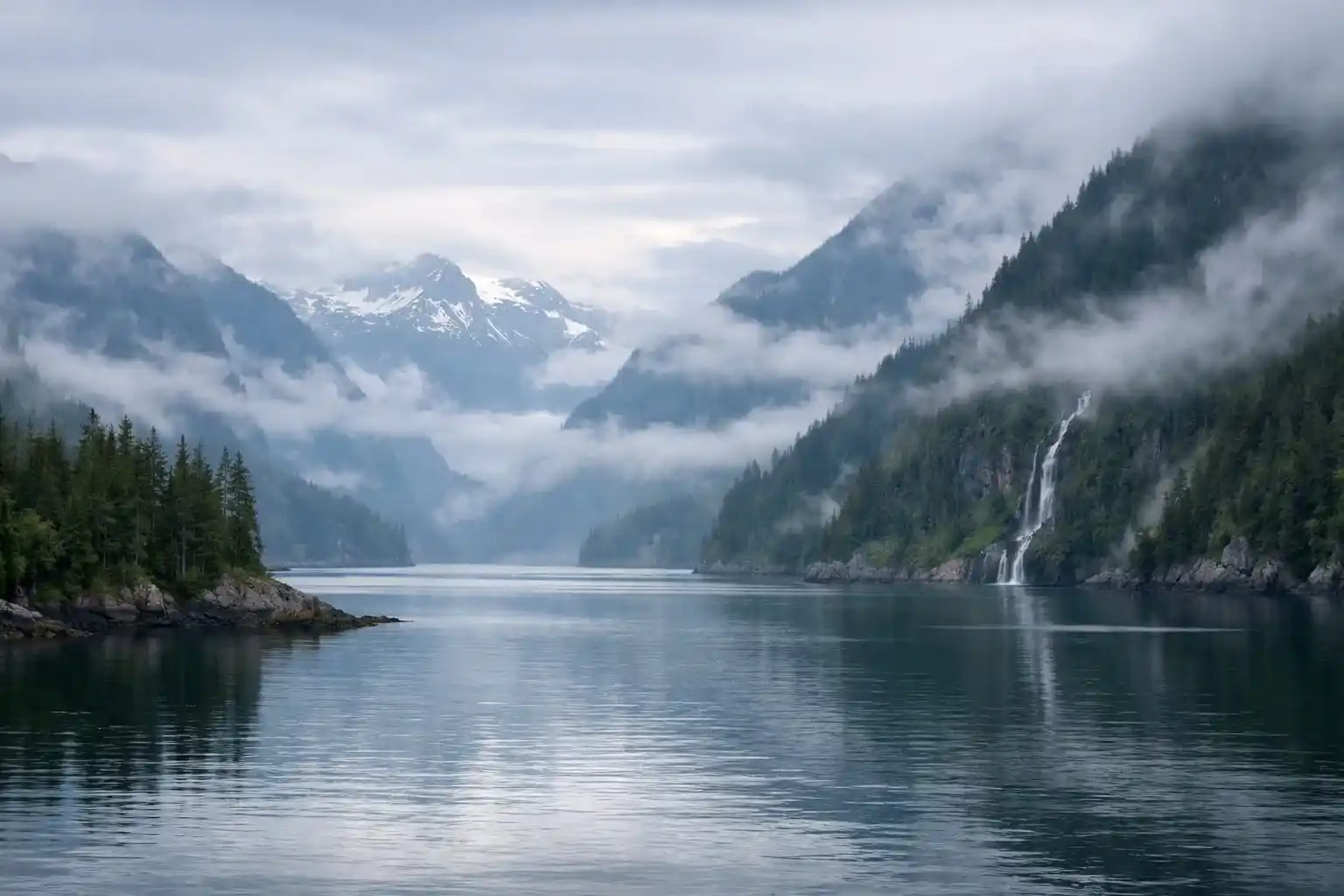
Alaska’s cruise season runs May–September. Expect cool temperatures, frequent rain, fog, and long daylight hours. June–August offer the most stable weather and clearest glacier views.
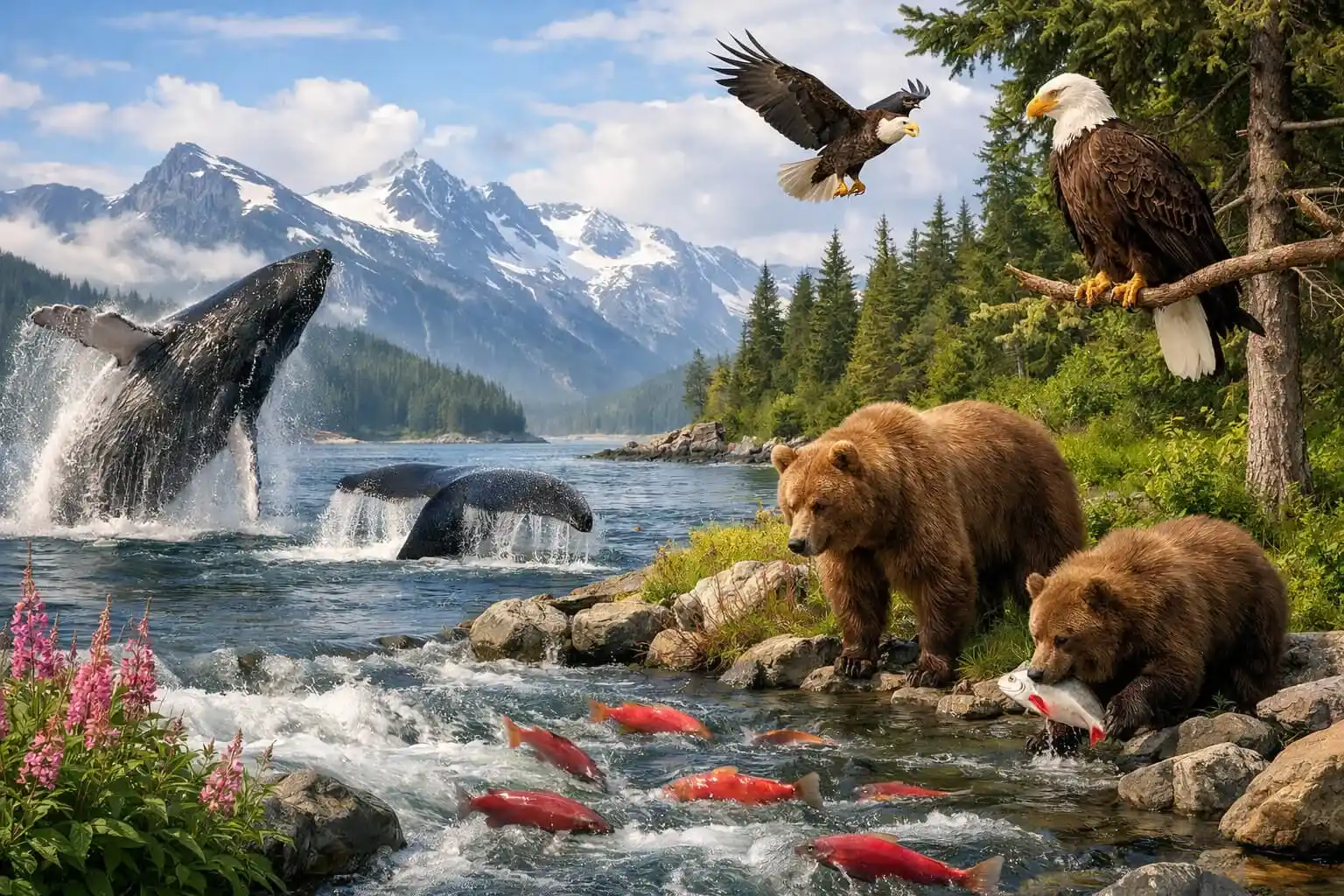
Wildlife peaks in summer. Whale activity is strongest June–August, salmon runs occur July–September, and bears are most active during salmon season. Bald eagles and marine mammals are common all season.
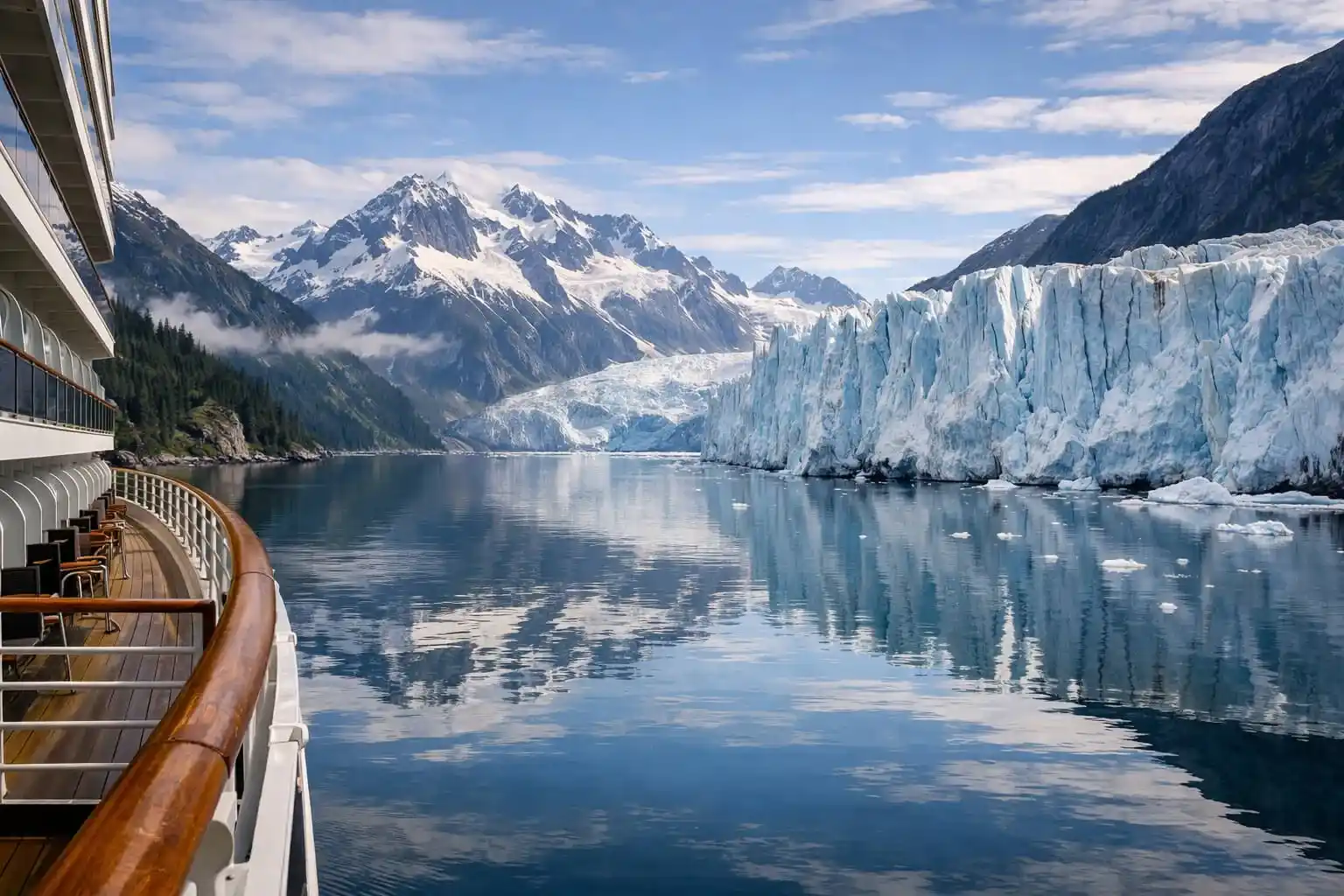
Inside Passage waters are calm and sheltered. The Gulf of Alaska can be rough in May and September. Glacier viewing is best June–August, with long daylight and clearer skies.
A factual overview of Alaska’s cruise conditions, weather patterns, and wildlife highlights from May to September — the official cruise season.
June • July • August
Warmest temperatures, longest daylight, stable weather, peak wildlife, and best glacier viewing.
May • September
Cooler and wetter, but fewer crowds and strong wildlife activity.
October–April
Storms, sea ice, closed ports, and unsafe marine conditions make these months unsuitable for cruising.
Each Alaska cruise region has its own weather patterns, wildlife highlights, and ideal months for cruising.
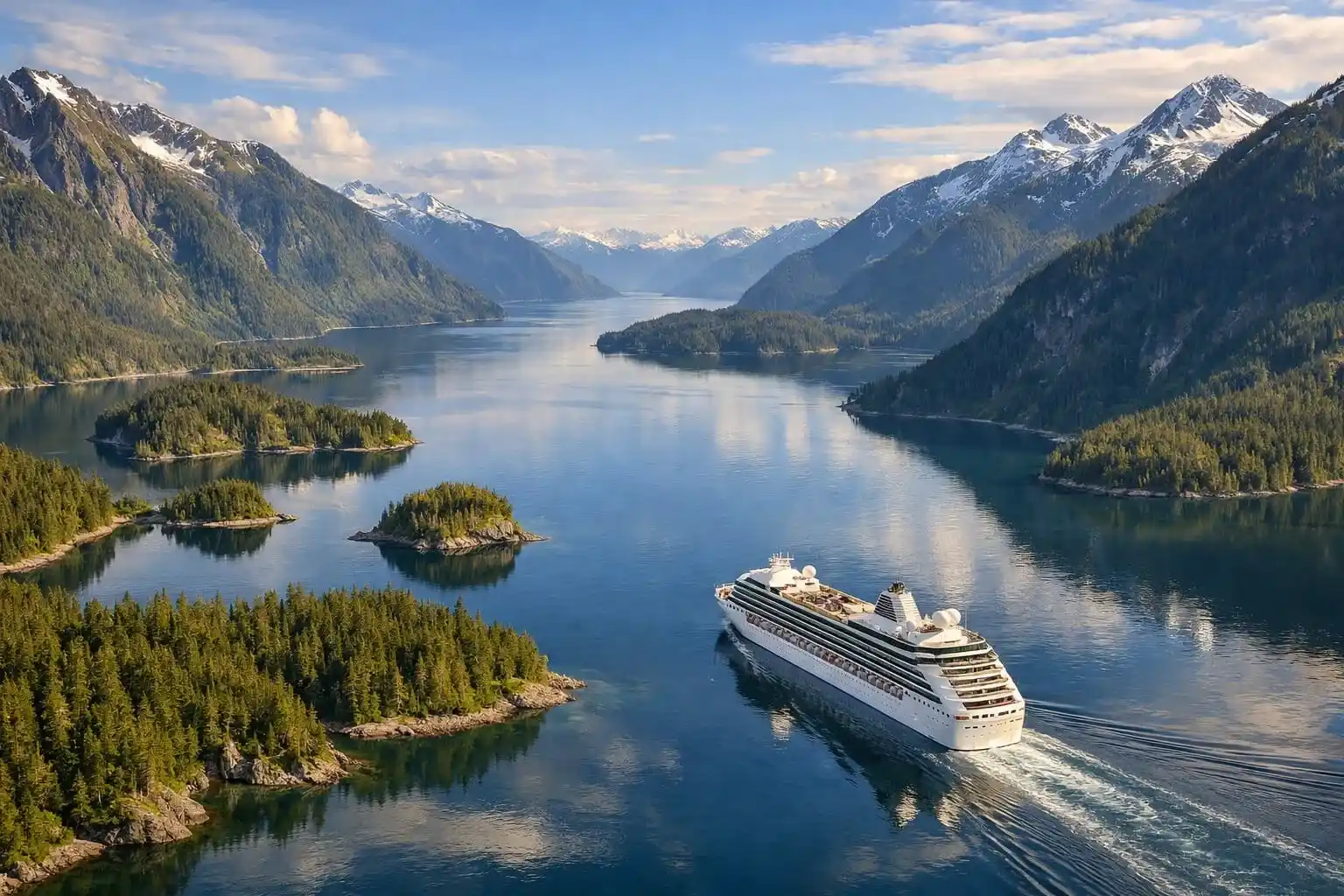
Best Months: June – August
Calm fjords, strong wildlife activity, long daylight, and excellent glacier viewing.
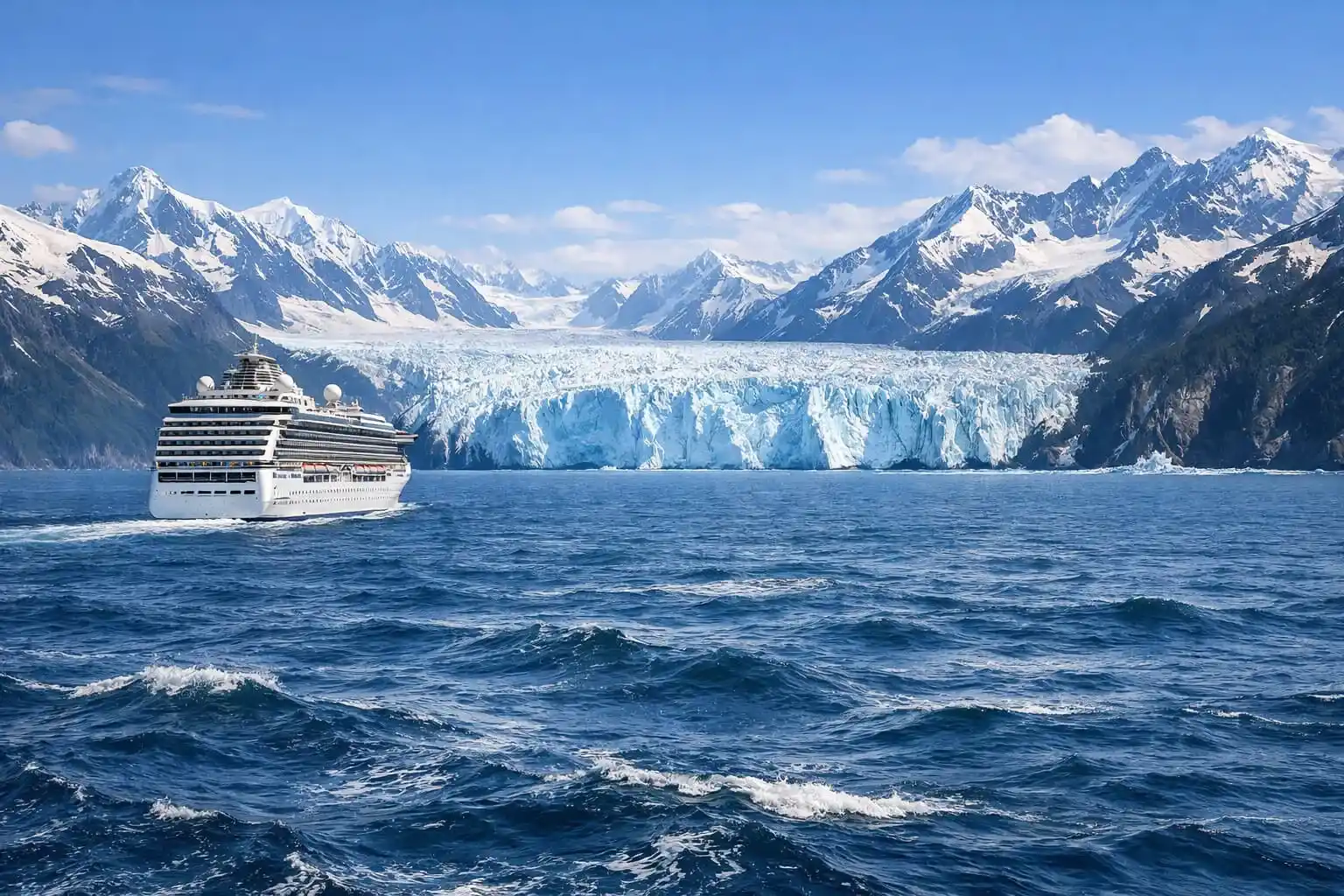
Best Months: June – August
Glacier viewing peaks in July. Seas can be rough in May and September.
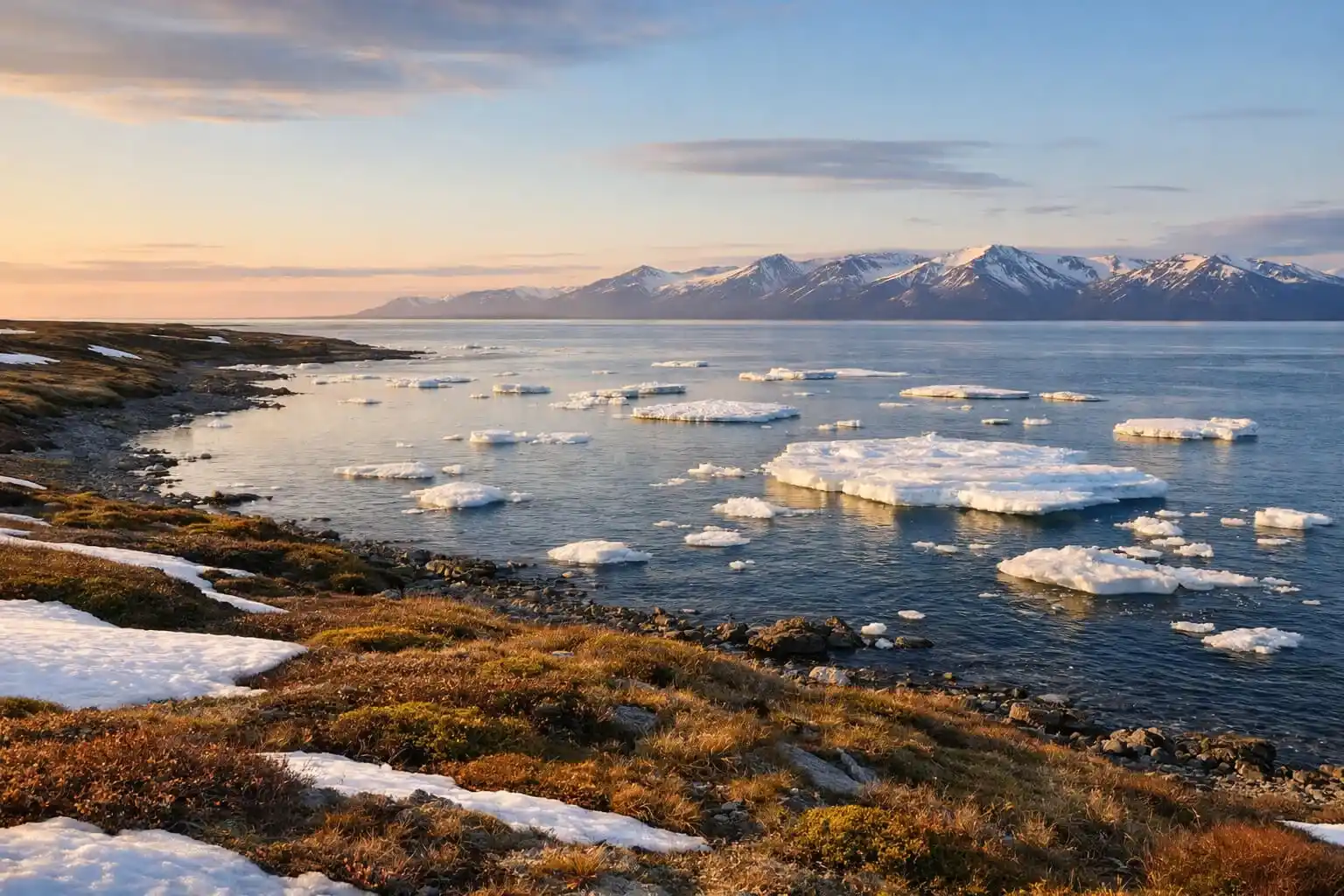
Best Months: July – August
Limited season due to sea ice. Wildlife strongest mid‑summer.
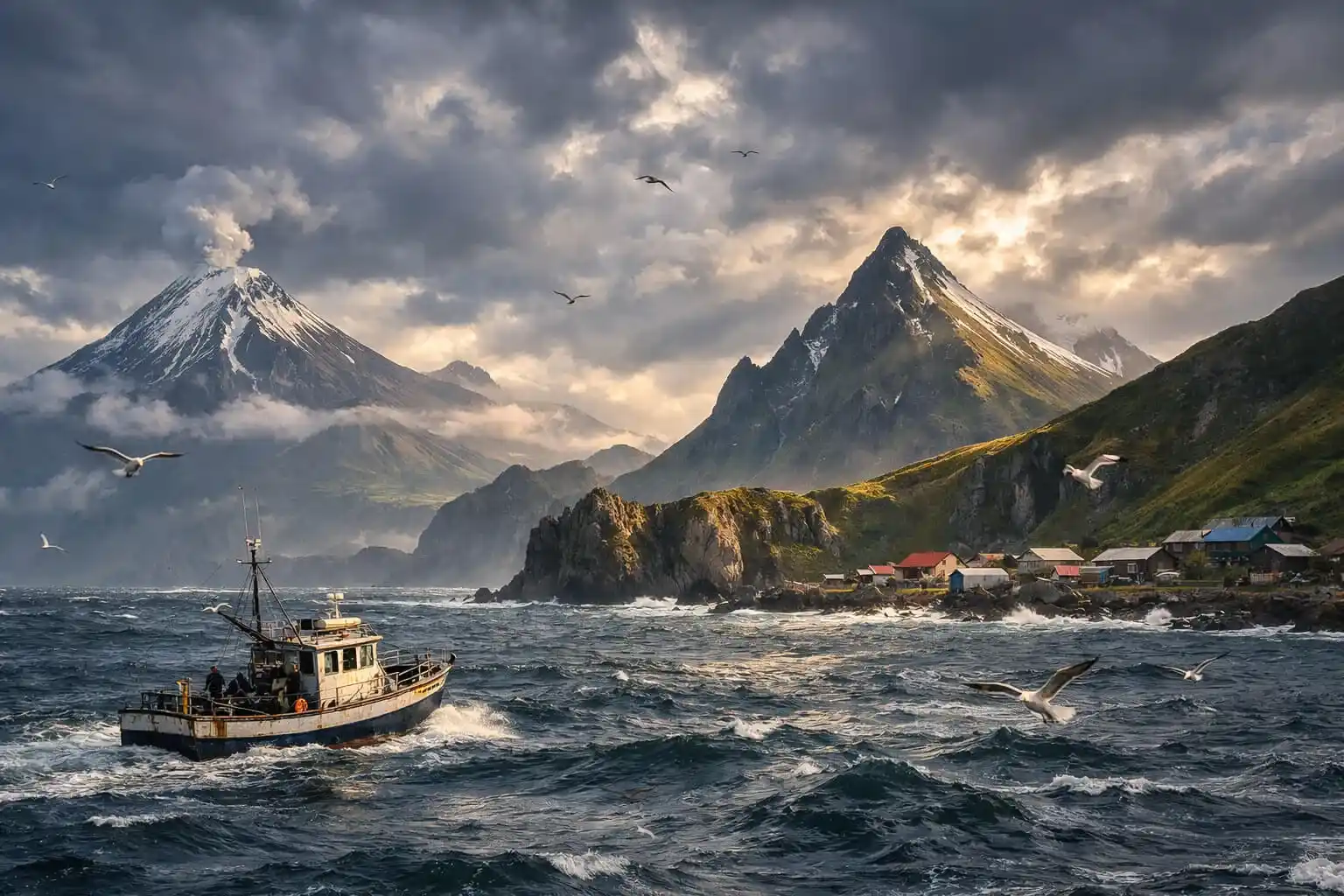
Best Months: July – August
Cool, windy conditions. Wildlife peaks mid‑summer.
Alaska’s cruise experiences are grouped into four main regions — the Inside Passage, the Gulf of Alaska, Arctic Alaska, and the Aleutian Islands. This overview gives you a clear, visual way to compare each area, understand what it offers, and decide where your next cruise should begin.
A quick visual cue showing Alaska’s overall shape and how its cruise regions stretch from the Inside Passage to the Arctic and across the Aleutian chain.
A sheltered network of fjords, islands, and glacier‑carved waterways. Home to Juneau, Ketchikan, Sitka, and Skagway — offering calm seas, rich wildlife, and dramatic scenery.
Learn more about the Inside Passage ➜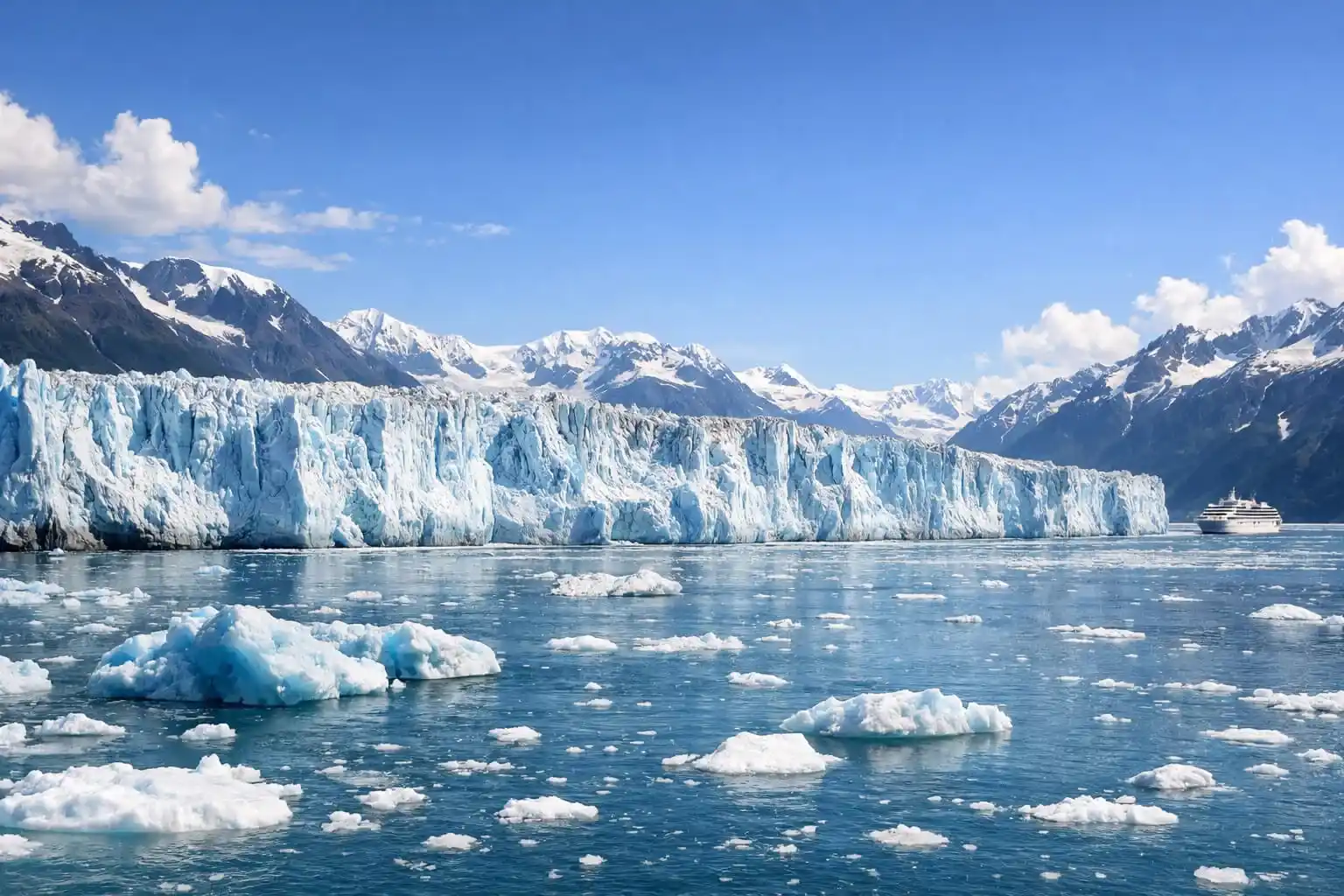
Known for open‑ocean cruising, massive tidewater glaciers, and rugged coastal mountains. Includes Glacier Bay, Hubbard Glacier, College Fjord, Seward, and Whittier.
Learn more about the Gulf of Alaska ➜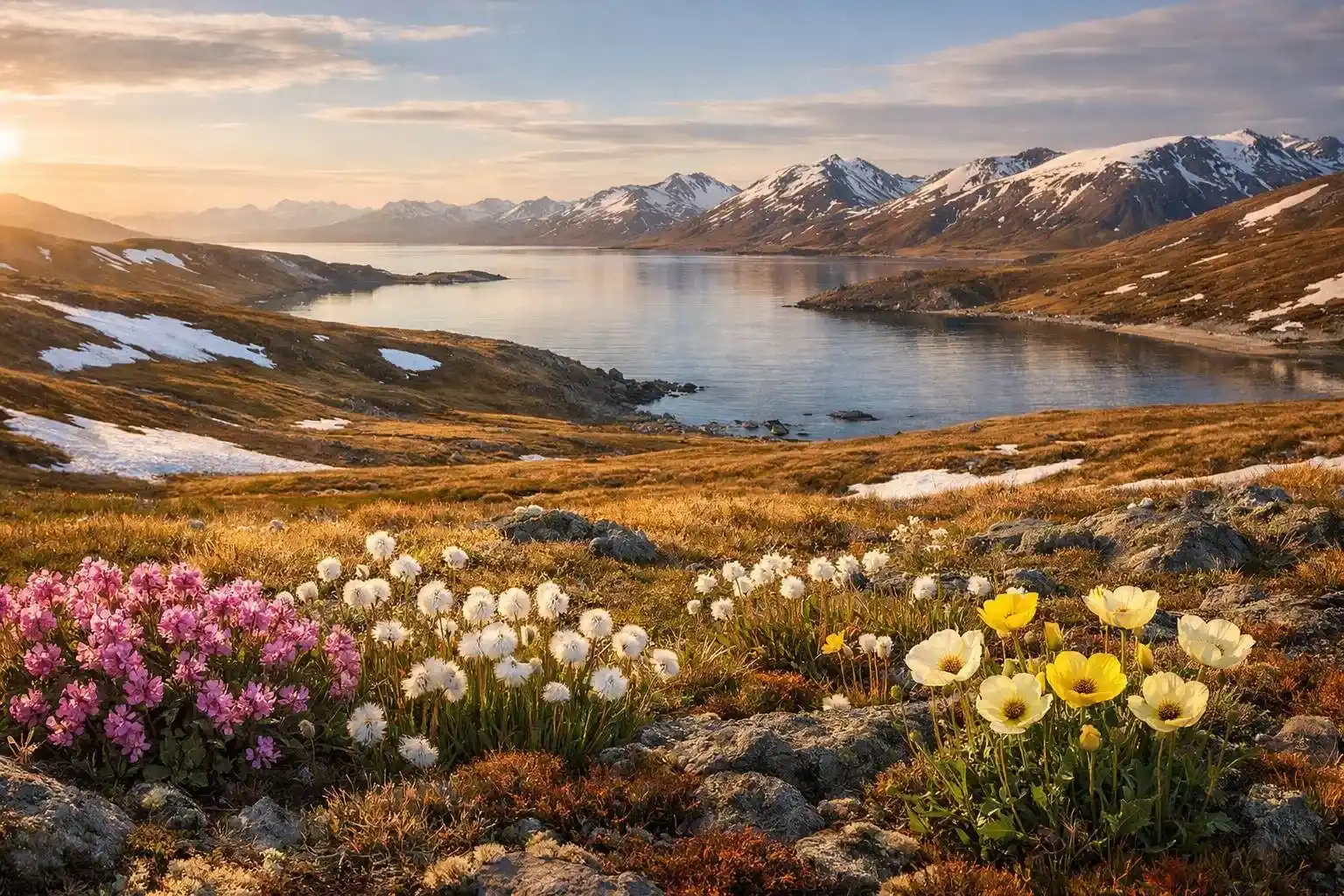
Remote, wild, and shaped by tundra and sea ice. Includes Nome, the Bering Strait, Kotzebue, and Utqiaġvik — offering rare far‑north exploration and unique wildlife.
Learn more about Arctic Alaska ➜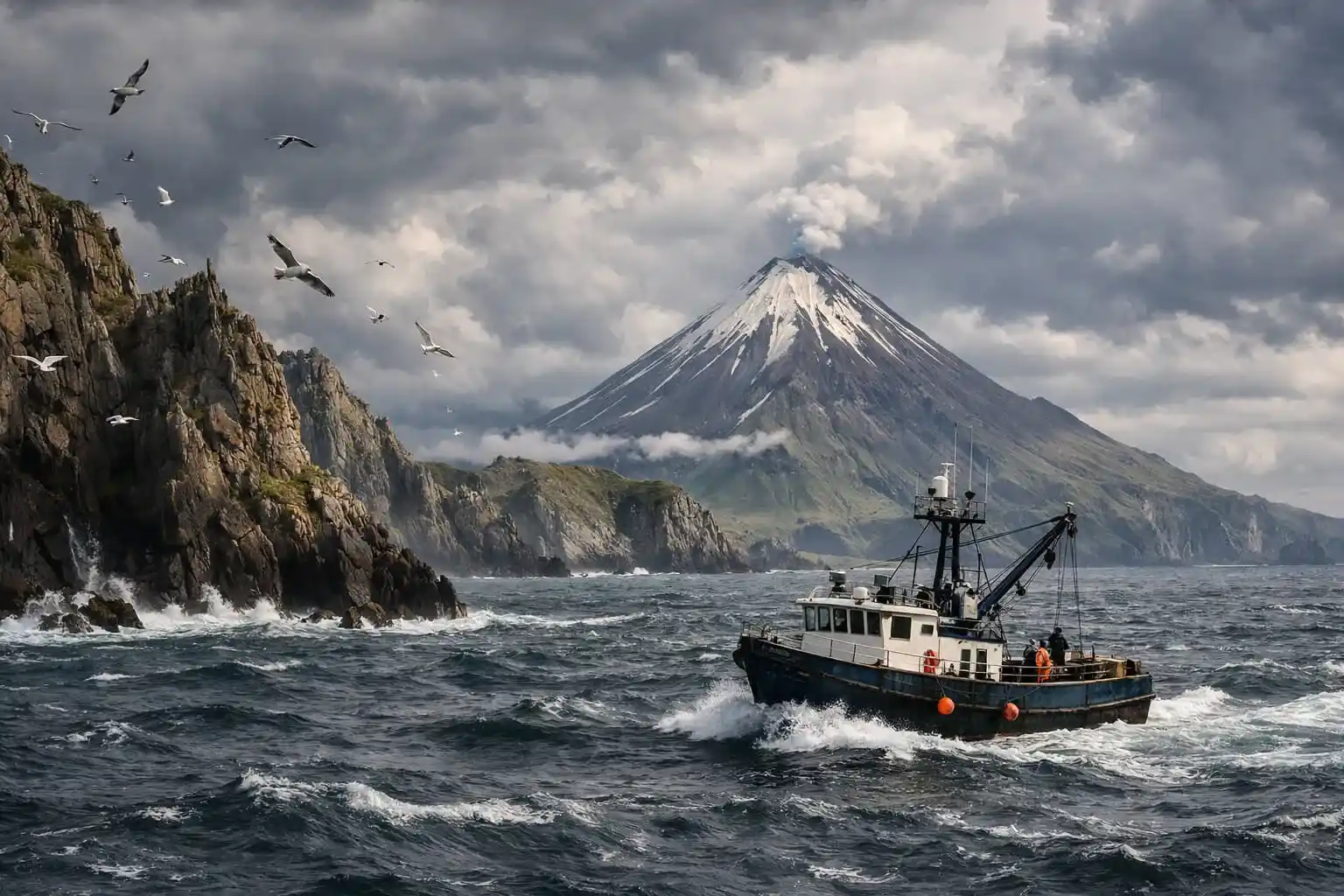
A volcanic island chain stretching deep into the Pacific. Known for dramatic coastlines, seabird colonies, remote fishing towns, and rugged, wind‑shaped landscapes.
Learn more about the Aleutian Islands ➜The Inside Passage offers calm fjords and wildlife‑rich towns. The Gulf of Alaska delivers dramatic glacier encounters and rugged mountains. Arctic Alaska provides remote, far‑north exploration, while the Aleutian Islands offer volcanic landscapes and isolated communities. Together, they give you four distinct ways to experience Alaska by sea.
A sheltered network of fjords, islands, and glacier‑carved waterways that forms the core of Alaska’s cruise experience.
The Inside Passage is Alaska’s most frequently cruised region, known for its calm waters, dense evergreen forests, and steep granite fjords shaped by thousands of years of glacial activity. This sheltered route provides reliable cruising conditions throughout the summer season, making it ideal for guests seeking stable weather and consistent visibility.
Major ports along the Inside Passage include Juneau, Ketchikan, Sitka, and Skagway. Each offers access to distinct environments and geological features. Juneau provides entry to the Juneau Icefield and Mendenhall Glacier, while Ketchikan is known for its rainforest ecosystem and salmon‑rich waterways. Sitka blends volcanic landscapes with coastal wildlife, and Skagway offers access to historic gold‑rush routes and mountain passes.
Glacier viewing is a central component of Inside Passage itineraries. Tracy Arm Fjord and Endicott Arm are two of the most notable glacier corridors, featuring narrow channels, floating ice, and steep rock walls. During peak season (June–August), clearer skies and longer daylight hours improve visibility and enhance the overall glacier experience.
Wildlife density is high throughout the Inside Passage. Humpback whales, orcas, sea lions, harbor seals, and porpoises are commonly observed in fjords and open channels. Bald eagles are abundant along the coastline, and black bears may be seen near salmon streams during mid‑summer. The region’s sheltered geography supports a diverse marine ecosystem that remains active throughout the cruise season.
Weather patterns in the Inside Passage are influenced by maritime conditions and surrounding mountain ranges. Summer temperatures typically range from cool to mild, with frequent cloud cover and intermittent rain. Fog is common in early mornings, especially in May and September. Despite these conditions, the region maintains relatively stable cruising conditions compared to more exposed areas of Alaska.
The Inside Passage’s geography provides natural protection from open‑ocean swells, resulting in smoother sailing than the Gulf of Alaska or Aleutian routes. This makes the region suitable for guests who prefer calm waters or are sensitive to motion. The sheltered waterways also allow ships to navigate narrow fjords and approach glacier faces more closely than in other regions.
Overall, the Inside Passage offers a concentrated view of Alaska’s core natural features: fjords, glaciers, wildlife, and coastal forests. Its combination of stable conditions, accessible ports, and diverse ecosystems makes it the most comprehensive and reliable region for summer cruising in Alaska.
A region defined by open‑ocean routes, massive tidewater glaciers, and rugged coastal mountain systems shaped by powerful geological forces.
The Gulf of Alaska is one of the most dynamic cruise regions in the state, characterized by open‑ocean conditions, expansive coastal mountain ranges, and some of the largest tidewater glaciers in North America. Unlike the sheltered Inside Passage, this region exposes ships to broader marine environments and more variable weather patterns.
Major destinations in the Gulf of Alaska include Glacier Bay National Park, Hubbard Glacier, College Fjord, Seward, and Whittier. Glacier Bay is known for its active calving glaciers and diverse marine life, while Hubbard Glacier is notable for its immense size and frequent ice movement. College Fjord features multiple glaciers within a single viewing corridor, offering a concentrated glacial landscape.
Glacier activity is a defining feature of Gulf of Alaska itineraries. Tidewater glaciers in this region are fed by extensive icefields and respond to seasonal temperature changes. Peak viewing conditions occur from June to August, when clearer skies and longer daylight hours improve visibility. Calving events, floating ice, and deep blue ice formations are common during this period.
Marine wildlife is abundant throughout the Gulf of Alaska. Humpback whales, orcas, sea otters, harbor seals, and porpoises are frequently observed near glacier fronts and fjords. Nutrient‑rich waters support strong marine ecosystems, particularly during summer months when plankton blooms increase feeding activity.
Weather conditions in the Gulf of Alaska are more variable than in sheltered regions. Summer temperatures remain cool, and cloud cover is common. Rainfall occurs frequently, especially in coastal mountain zones. Early‑season (May) and late‑season (September) sailings may encounter stronger winds and rougher seas due to open‑ocean exposure.
The region’s geography contributes to its dramatic landscapes. Steep mountains rise directly from the coastline, creating deep fjords and narrow channels that allow ships to approach glacier faces closely. These geological features are the result of long‑term glacial erosion and tectonic uplift, producing some of the most striking scenery in Alaska.
Overall, the Gulf of Alaska offers a high‑impact cruise experience focused on glacier systems, open‑ocean travel, and large‑scale natural formations. Its combination of active glaciers, diverse wildlife, and expansive coastal environments makes it a key component of Alaska’s summer cruise season.
A remote northern region defined by tundra landscapes, sea ice, migratory wildlife, and limited but highly specialized seasonal cruising.
Arctic Alaska represents one of the most remote and least‑visited cruise regions in the state. Its environment is shaped by permafrost, sea ice, and short summer seasons that allow only limited navigation. The region includes communities such as Nome, Kotzebue, and Utqiaġvik, each offering access to far‑north ecosystems and cultural traditions unique to the Arctic.
Nome serves as a primary gateway for Arctic itineraries. Located on the southern edge of the Seward Peninsula, it provides access to tundra landscapes, migratory bird routes, and the Bering Sea coastline. Kotzebue, situated above the Arctic Circle, offers insight into Inupiat culture and coastal environments shaped by seasonal ice movement.
Utqiaġvik (formerly Barrow) is the northernmost community in the United States. Its location along the Chukchi Sea places it within a zone of active sea‑ice formation and retreat. During summer months, reduced ice coverage allows limited vessel access, creating opportunities for observing Arctic marine environments and wildlife.
Wildlife in Arctic Alaska is highly seasonal. Bowhead whales, beluga whales, walrus, and seals migrate through northern waters during summer. Inland tundra supports caribou herds, Arctic foxes, and numerous bird species, including eiders, jaegers, and snowy owls. The region’s biodiversity peaks between July and August, when ice retreat and warmer temperatures increase activity.
Weather conditions in Arctic Alaska are significantly colder than southern regions. Summer temperatures remain cool, often ranging from near‑freezing to mild. Fog, low clouds, and rapid weather changes are common. Sea‑ice presence varies by year, influencing navigational routes and port accessibility.
The region’s geography is dominated by tundra plains, low‑lying coastal areas, and offshore ice. Unlike the steep fjords of southern Alaska, Arctic landscapes are broad and open, shaped by permafrost and glacial history. Coastal erosion and shifting ice patterns continue to influence the region’s physical environment.
Overall, Arctic Alaska offers a highly specialized cruise experience focused on remote environments, migratory wildlife, and cultural insight into northern Indigenous communities. Its limited season, unique ecosystems, and far‑north geography make it a distinct and scientifically significant component of Alaska’s broader cruise landscape.
A remote volcanic archipelago shaped by tectonic activity, strong winds, and rich marine ecosystems — offering one of Alaska’s most rugged and scientifically significant cruising environments.
The Aleutian Islands form a chain of more than 70 volcanic islands stretching from mainland Alaska toward the Pacific. This region is defined by active volcanoes, steep coastal cliffs, and strong marine weather systems. Its remote location and challenging conditions make it one of the least‑visited cruise regions in Alaska, with itineraries typically limited to mid‑summer when seas are more stable.
Key communities along the Aleutian chain include Unalaska (Dutch Harbor), Akutan, and Adak. Unalaska is the most accessible and serves as a major commercial fishing hub. Its deep harbor, rugged terrain, and proximity to volcanic peaks provide insight into the region’s geological and economic significance. Smaller settlements offer views of isolated landscapes shaped by wind, ocean, and volcanic activity.
Volcanic features are prominent throughout the Aleutians. Many islands contain active or dormant volcanoes, calderas, and lava formations. These geological structures are part of the Pacific Ring of Fire, where tectonic plate movement continues to shape the region. Eruptions, steam vents, and ash plumes occur periodically, contributing to the islands’ dramatic appearance and scientific interest.
Marine wildlife is abundant due to nutrient‑rich waters influenced by ocean currents and upwelling zones. The region supports large populations of seabirds, including puffins, auklets, and albatross. Marine mammals such as sea lions, seals, and whales are frequently observed near coastal cliffs and open channels. Summer months provide the best conditions for wildlife activity and observation.
Weather in the Aleutian Islands is highly variable. Strong winds, low clouds, and rapid weather changes are common throughout the year. Summer temperatures remain cool, and fog frequently affects visibility. The region’s exposure to open‑ocean conditions results in rougher seas compared to the Inside Passage or Gulf of Alaska, making mid‑summer the most reliable period for cruising.
The islands’ geography is characterized by steep volcanic slopes, narrow beaches, and deep offshore waters. Coastal erosion, wave action, and tectonic uplift continue to shape the landscape. The combination of volcanic terrain and marine forces creates a rugged environment that differs significantly from other Alaska cruise regions.
Overall, the Aleutian Islands offer a specialized cruise experience focused on geology, marine ecosystems, and remote coastal environments. Their volcanic origins, strong wildlife presence, and isolated communities make this region scientifically valuable and distinct within Alaska’s broader cruise landscape.
Plan your Alaska cruise spending by entering your expected costs.
£0
£0 per person
£0 per person per night
This tool helps you track every purchase you make during your cruise.
| Date | Item | Category | Amount | Notes |
|---|
A quick overview of the key ports used on Alaska cruise itineraries — from major Inside Passage hubs to Gulf of Alaska embarkation ports and scenic small‑town calls.
United States
Alaska’s capital and one of the busiest cruise ports in the Inside Passage. Known for access to the Juneau Icefield, Mendenhall Glacier, and a wide range of glacier‑focused excursions.
Highlights: Glacier access • Diverse excursions • Major Inside Passage hub
United States
A key Inside Passage port known for its rainforest climate, salmon runs, and proximity to Misty Fjords National Monument. Popular for wildlife viewing and cultural experiences.
Highlights: Rainforest scenery • Salmon streams • Misty Fjords access
United States
A scenic port combining volcanic landscapes, coastal wildlife, and Russian‑American heritage. Offers strong opportunities for marine life viewing and cultural exploration.
Highlights: Wildlife viewing • Volcanic terrain • Cultural heritage
United States
A historic gold‑rush port offering access to the White Pass & Yukon Route railway and dramatic mountain scenery. Known for its frontier history and high‑impact excursions.
Highlights: Gold‑rush history • Mountain rail route • Frontier atmosphere
United States
A major Gulf of Alaska embarkation port offering access to Kenai Fjords National Park. Known for glacier‑carved fjords, marine wildlife, and strong cruise‑tour connections.
Highlights: Kenai Fjords • Gulf embarkation • Glacier and wildlife cruises
United States
An alternative Gulf of Alaska embarkation port connected to Anchorage via tunnel. Offers access to Prince William Sound’s glaciers and sheltered waterways.
Highlights: Prince William Sound • Glacier cruising • Anchorage access
United States
An Indigenous‑owned port offering authentic cultural experiences and strong wildlife viewing. Known for whale watching, forest trails, and community‑focused excursions.
Highlights: Indigenous culture • Whale watching • Nature‑focused excursions
United States
A scenic small‑town port along the Lynn Canal, known for mountain views, wildlife, and access to outdoor activities. Often included on smaller‑ship itineraries.
Highlights: Mountain scenery • Wildlife • Small‑ship itineraries
Explore some of the most iconic cruise routes across the Inside Passage, Gulf of Alaska, Glacier Bay, and the remote Arctic and Aleutian regions — each offering distinct landscapes, wildlife, and marine environments.
⏱ 7–10 Nights
🗺 Route: Vancouver • Juneau • Skagway • Ketchikan • Glacier Bay
The most frequently sailed Alaska itinerary, featuring sheltered fjords, evergreen forests, and glacier‑carved waterways. This route provides consistent wildlife viewing, stable cruising conditions, and access to major Inside Passage ports.
⭐ Highlights: Glacier Bay viewing • Whale sightings • Historic gold‑rush ports
⏱ 7–12 Nights
🗺 Route: Vancouver • Hubbard Glacier • College Fjord • Seward or Whittier
A high‑impact itinerary connecting the Inside Passage with Alaska’s open‑ocean Gulf region. Known for large tidewater glaciers, deep fjords, and dramatic mountain systems. Often paired with land‑based cruise‑tours to Anchorage, Denali, or Fairbanks.
⭐ Highlights: Hubbard Glacier • College Fjord • Strong cruise‑tour options
⏱ 10–14 Nights
🗺 Route: Juneau • Glacier Bay • Tracy Arm • Endicott Arm • Sitka
A glacier‑focused itinerary emphasizing fjord navigation, floating ice, and steep granite walls shaped by long‑term glacial erosion. Ideal for guests seeking extended glacier viewing and high wildlife density.
⭐ Highlights: Multiple glacier corridors • High wildlife activity • Narrow fjord cruising
⏱ 12–18 Nights
🗺 Route: Seward • Kodiak • Dutch Harbor • Adak • Nome
A remote expedition‑style itinerary covering volcanic islands, tundra landscapes, and northern marine environments. Seasonal and weather‑dependent, offering access to wildlife migration routes and isolated coastal communities.
⭐ Highlights: Volcanic islands • Arctic wildlife • Remote expedition cruising
Discover glacier treks, wildlife encounters, fjord cruises, and historic rail journeys across Alaska’s most popular cruise ports.
📍 Location: Juneau, Alaska
A guided glacier experience offering close‑up views of ice formations, crevasses, and glacial terrain. Guests hike through forested trails before reaching the Mendenhall Glacier, where trained guides lead safe exploration of the surrounding ice features.
⭐ Highlights: Glacier trekking • Ice formations • Expert‑guided exploration
📍 Location: Juneau or Icy Strait Point
A marine wildlife excursion offering sightings of humpback whales, orcas, sea lions, and harbor seals. Nutrient‑rich waters support strong feeding activity during summer months, making this one of Alaska’s most reliable wildlife experiences.
⭐ Highlights: Humpback whales • Orcas • Marine ecosystems
📍 Location: Skagway, Alaska
A historic rail journey climbing through steep mountain passes, glacial valleys, and dramatic alpine terrain. Built during the 1898 gold rush, the route offers panoramic views and a unique perspective on Alaska’s geological history.
⭐ Highlights: Alpine scenery • Historic railway • Gold‑rush heritage
📍 Location: Seward, Alaska
A fjord‑based excursion exploring tidewater glaciers, marine wildlife, and steep coastal cliffs shaped by long‑term glacial erosion. Common sightings include whales, sea otters, puffins, and calving glacier fronts.
⭐ Highlights: Tidewater glaciers • Marine wildlife • Fjord landscapes
Helpful advice to make your Alaska cruise smoother, safer, and more enjoyable.
Alaska’s wildlife is abundant but must be viewed safely. Maintain recommended distances from bears, moose, whales, and other animals, and follow all guidance from naturalists and excursion leaders.
Alaska’s climate shifts quickly — rain, fog, sun, and cool temperatures can occur on the same day. Pack waterproof layers, warm mid‑layers, and comfortable walking shoes for changing conditions.
Glacier viewing and wildlife spotting are major highlights of Alaska cruising. Binoculars enhance visibility of distant whales, bears, eagles, and glacier features such as crevasses and calving fronts.
Some Alaska ports use tender boats instead of direct dock access. Allow extra time for disembarkation and excursion departures, especially in smaller ports like Icy Strait Point or Haines.
Layering is essential for comfort. Combine base layers, insulating layers, and waterproof shells to adapt to temperature changes during glacier viewing, fjord cruising, and outdoor excursions.
Most Alaska cruises do not require visas for U.S. or Canadian citizens, but valid passports or government‑issued ID may be required depending on your itinerary. Confirm documentation well in advance.
Select your traveller type and build your personalised Alaska packing list.
No items selected yet.
Answers to the most common questions about cruising Alaska, covering weather, wildlife, ports, documentation, excursions, and practical travel advice.
Passports are required for itineraries that start or end in Canada. Closed‑loop cruises from the U.S. may allow government‑issued ID, but a passport is strongly recommended for all Alaska sailings.
Yes — Alaska’s cruise ports are well‑developed and frequently visited. Follow wildlife safety rules, stay aware of weather conditions, and use official excursions for remote areas.
Alaska’s cruise season runs May–September. • Peak wildlife: June–August • Best weather: July–August • Fewer crowds: May & September Glacier viewing is excellent throughout the season.
Yes — humpback whales, orcas, sea lions, bald eagles, bears, and moose are commonly seen. Wildlife sightings vary by region, season, and excursion type.
Inside Passage routes are generally calm due to sheltered fjords. Gulf of Alaska segments can be choppier. Motion‑sickness tablets are helpful for sensitive travellers.
Alaska uses U.S. Dollars (USD). Credit cards are widely accepted, but small cash amounts are useful for local shops, markets, and small‑town vendors.
Layered clothing, waterproof jackets, warm hats, gloves, binoculars, and comfortable walking shoes. See Section 20 for the full Alaska packing checklist.
Yes — photography is encouraged. A zoom lens or binoculars improves glacier and wildlife shots. Always maintain safe distances from animals.
Most itineraries include glacier viewing, especially Glacier Bay, Hubbard Glacier, Tracy Arm, and College Fjord. Glacier access depends on your specific route.
Major operators include Princess, Holland America, Royal Caribbean, Norwegian, Celebrity, and Carnival. See Section 15 for the full Alaska cruise line overview.
No special vaccinations are required for Alaska. Routine immunizations are recommended. Check official health guidance if your itinerary includes Canada.
Yes — tap water in Alaska is safe and high‑quality. Onboard water is fully purified. Remote excursion sites may use bottled water.
Ships offer Wi‑Fi packages, and most ports have 4G/5G coverage. Remote fjords and Arctic regions may have limited connectivity.
Inside Passage routes (Juneau, Skagway, Ketchikan, Glacier Bay) are ideal for first‑timers due to calm waters, strong wildlife viewing, and iconic scenery.
Yes — Alaska is one of the world’s best whale‑watching regions. Humpbacks, orcas, and porpoises are commonly sighted during summer months.
Glacier tours, wildlife excursions, and remote adventures are best booked through the cruise line for safety and guaranteed return to ship. Independent tours are fine in major ports.
Cruise luggage rules are standard, but flights to Alaska may have stricter weight limits. Check your airline’s baggage policy before packing.
Popular items include local art, carved wood, Native Alaskan crafts, smoked salmon, and glacier‑themed gifts. Avoid wildlife products — many are restricted.
Yes — official taxis, shuttles, and tour buses are reliable. Smaller towns may have limited transport, so plan ahead for excursions.
Respect Indigenous communities, ask before photographing people, and follow local guidance during cultural demonstrations or heritage tours.
English is the primary language. Indigenous languages such as Tlingit, Haida, and Inupiaq are present in cultural contexts.
Alaska uses North American Type A/B plugs (same as the U.S. and Canada). A universal adapter is useful if travelling internationally before or after your cruise.
Strongly recommended. Remote destinations, weather‑related delays, and excursion logistics make insurance valuable for medical, evacuation, and cancellation coverage.
Yes — wildlife viewing, glacier days, and family‑friendly excursions make Alaska excellent for kids. Many cruise lines offer kids’ clubs and youth programs.
Absolutely. Many excursions are gentle and accessible. Glacier viewing, scenic railways, and wildlife tours suit a wide range of mobility levels.
Mosquitoes can be present in forested and inland areas during summer. Coastal ports have fewer insects. Use repellent during hikes or nature excursions.
Yes — many ships reposition between Alaska and Asia, Hawaii, or the U.S. West Coast at the start and end of the season.
Most Alaska cruises range from 7 to 14 nights. Expedition routes and Arctic itineraries may run 12–18 nights.
Yes — avoid wildlife products such as ivory, antlers, or pelts unless certified legal. Stick to crafts, packaged foods, and artwork.
Expect cool temperatures, rain, fog, and occasional sunshine. Coastal ports are mild; glacier days can be cold and windy. Weather changes quickly.
Many Alaska ports such as Juneau, Ketchikan, and Skagway have walkable downtown areas located close to the cruise pier. Smaller ports like Icy Strait Point and Haines may require short shuttles, while Gulf of Alaska embarkation ports (Seward and Whittier) often need transport to nearby attractions.
Expect cool temperatures, frequent rain, fog, and occasional sunshine. Coastal ports are mild, while glacier viewing days can be windy and cold. Weather changes quickly, so layered clothing is essential.
Yes — Alaska’s port towns are safe and welcoming. Stick to established shops and reputable vendors. Keep valuables secure during busy summer days, especially in popular ports like Juneau and Skagway.
Glacier Bay and the Inside Passage are considered the most scenic, offering fjords, towering cliffs, dense forests, and glacier‑carved waterways. The Gulf of Alaska provides dramatic open‑ocean views and large tidewater glaciers.
Sharks exist in Alaska’s cold waters, but encounters are extremely rare. They do not pose a risk to cruise guests or common excursion activities such as whale watching or fjord cruising.
Yes — many excursions such as glacier viewing, wildlife cruises, and scenic railways require minimal walking. Hiking and glacier treks may require moderate fitness, but accessible alternatives are widely available.
Yes — Alaska’s restaurants and cafés follow high food‑safety standards. Fresh seafood is excellent. Remote excursion sites may offer limited options, so plan ahead for snacks or meals.
Tipping is customary in Alaska. Typical amounts: • Guides: $5–$10 per person • Drivers: $2–$5 • Porters: $1–$2 per bag Most vendors accept USD and credit cards.
Yes — Alaska is very solo‑friendly. Cruise lines offer solo cabins, group excursions, and hosted meet‑ups. Ports are safe, and guided tours make solo travel easy and enjoyable.
Drone use is heavily regulated in Alaska. National parks such as Glacier Bay and Kenai Fjords prohibit drones entirely. Some towns allow them with restrictions. Always check local laws before flying.
A quick overview of what makes Alaska one of the world’s most iconic cruise regions — from glacier viewing and wildlife encounters to scenic fjords and historic frontier towns.
May to September offers the best weather, wildlife activity, and glacier viewing conditions.
Juneau, Skagway, Ketchikan, Sitka, Seward, Whittier, Icy Strait Point, and Haines.
Princess, Holland America, Royal Caribbean, Norwegian, Celebrity, and Carnival.
Glaciers, fjords, wildlife, frontier history, scenic railways, and world‑class nature excursions.
Explore a complete Alaska cruise guide with lines, ports, itineraries, scenic fjords, and glacier routes all in one place.